
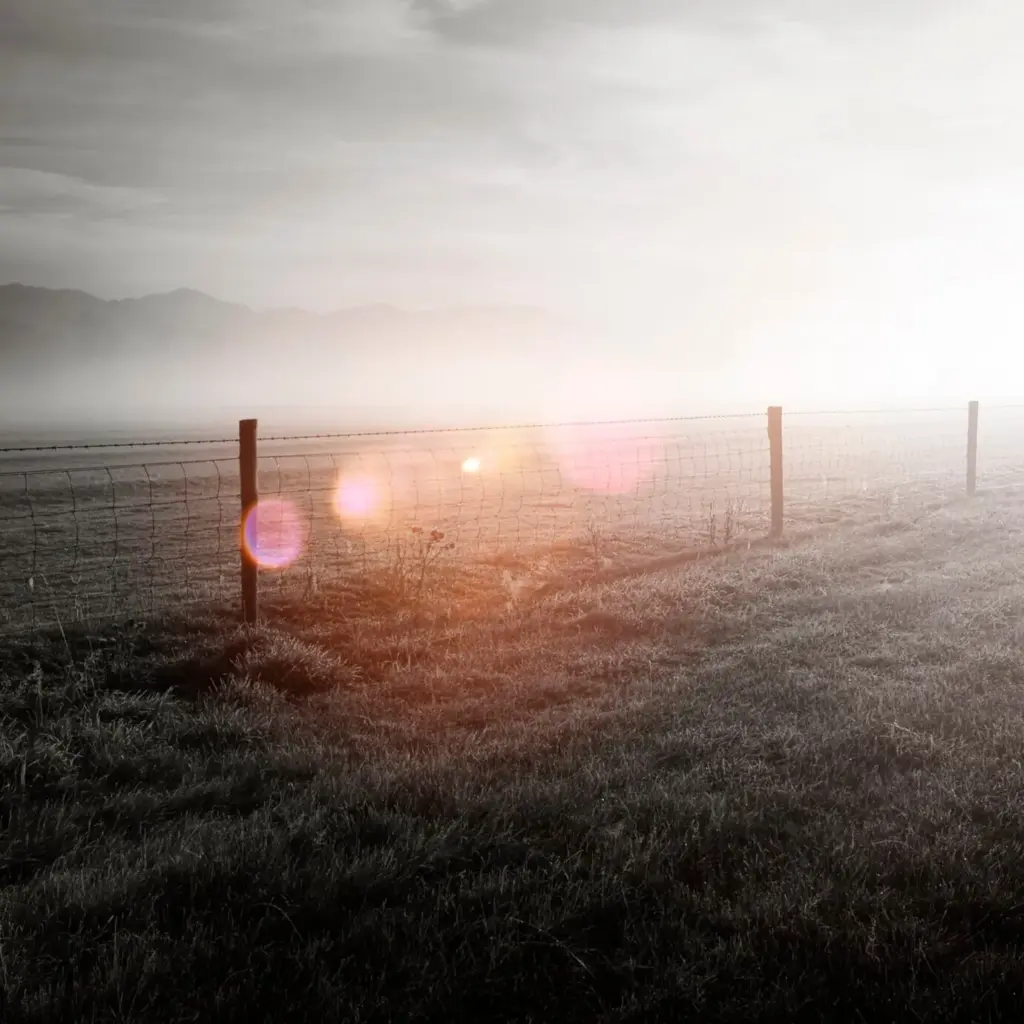
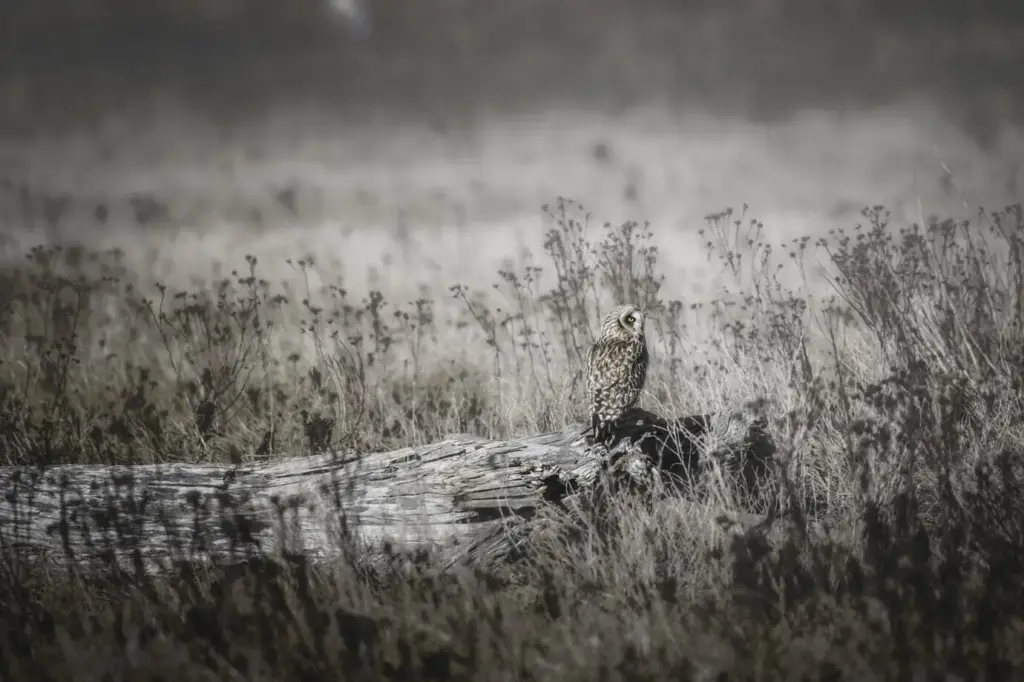
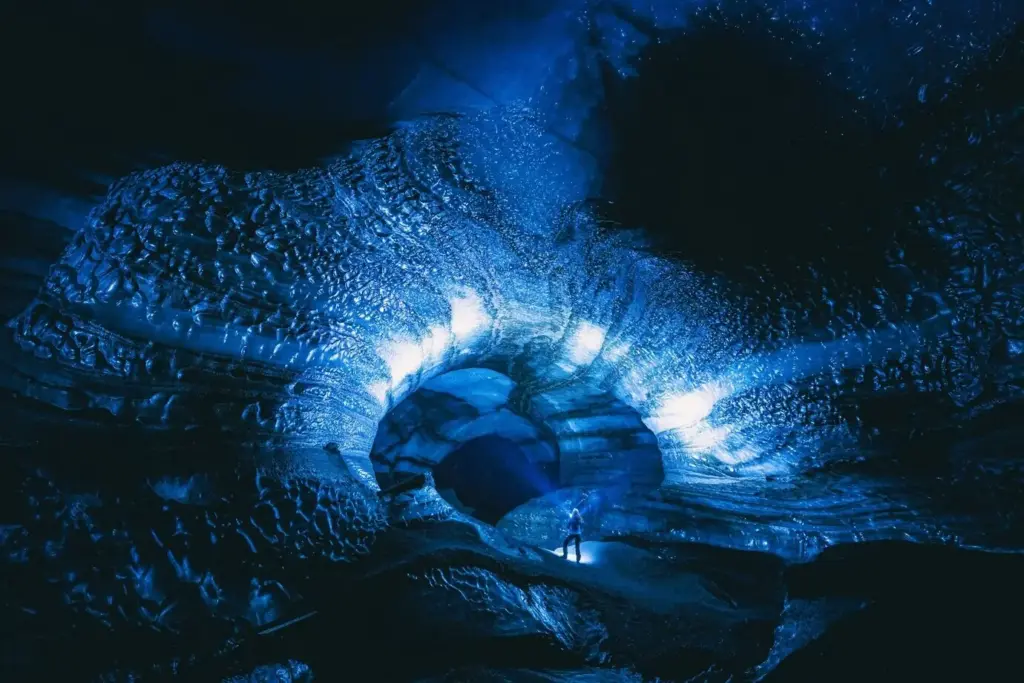

Begin by stealing light—add negative fill close to actors to let shadows grip the face. Use a cool edge to describe space, then puncture with a dimmed tungsten practical that flickers imperfectly. Fog or haze thickens mids, making small lights feel predatory. Keep sources asymmetrical and slightly off-axis to disturb symmetry the brain reads as safety. If a monster never fully shows, allow color to betray it first: a blister of warmth on a cold wall, or a creeping green reflection crawling across a blade.
Hard keys through blinds, motivated by streetlamps or a high window, sketch maps of power and confinement. Flags, cutters, and snoots maintain discipline, while controlled bounce softens only the necessary truth. Let practicals define perspective lines—bar lights, neon, a diner’s chrome edge—so composition becomes fate. When faces turn, allow highlights to roll like confessions, then vanish into clean black. Resist fashionable haze unless story demands it; crisp air lets angles argue. The palette breathes through exposure discipline more than hue saturation or flamboyant gels.
Use broad, soft sources from above or behind screens to suggest advanced, user-centric design. Emissive panels, LED strips, and translucent materials can carry functional color while remaining photographically gentle. Introduce micro-movement—scans, pulses, or diagnostic sweeps—so light behaves like a system, not decoration. Keep contrast elegant, ensuring eyes never fatigue from competing glows. When the narrative destabilizes, narrow the spectrum or introduce non-terrestrial hues through particulate atmospherics. The goal is believable sophistication: light should seem engineered by the world, not by a filmmaker’s hand.
Kubrick’s cool corridors and sickly carpet tones corral the boy into a maze of controlled dread, while the bar’s amber seduction feels treacherously safe. It Follows drapes suburban blues with sudden red intrusions, turning sidewalks into tripwires. Hereditary leans into wood tones that grow claustrophobic as grief stains daylight. Across them, a pattern emerges: domestic colors curdle. Study when warm light comforts versus when it becomes complicity, then document those pivot points for your own sequences and design bible.
Double Indemnity builds moral pressure through razor shadows that slice across faces like verdicts. The Third Man’s wet streets and tilted compositions channel disorientation, letting silver highlights testify against everyone. Brick modernizes the grammar in sunlit settings, yet grades toward disciplined contrast that guards mystery. Across eras, noir trusts restraint: a limited palette, consistent exposure, and compositional hierarchy. Take notes on where the brightest value lands in each shot and ask why. That answer often reveals the scene’s true power broker.
2001 uses monumental whites and disciplined primaries to render technology as cathedral; color only blooms where human fallibility or cosmic threat intrudes. Ex Machina pairs glassy cools with skin-forward warmth to interrogate desire and control. Annihilation bends botanical palettes toward unsettling iridescence that refuses easy categorization. The lesson is coherence: define a baseline world, then bend its rules only when narrative demands. When you introduce a new hue, also introduce a reason—material, biology, or interface—so wonder feels grounded rather than arbitrary.

Map your nodes to prioritize luminance before hue, protecting shadow texture from muddy crush. Introduce a cool bias in lows, then gate saturated reds through a precise qualifier so blood stays alarming without clipping. Apply a gentle, warm parallel path for skin during vulnerable beats, then collapse it when danger owns the room. Consider film grain in mids to add organic unease. Maintain a saved, bypassable shock layer for jump moments, letting you deploy sudden chroma spikes without wrecking overall continuity.

Begin with contrast mapping that respects roll-off and keeps black detail alive. Use logarithmic tools to steer highlight placement, ensuring practicals sing without haloing. Desaturate globally, then reintroduce micro-warmth only where narrative focus demands. Watch for color contamination in shadows from mixed sources; neutralize quickly to preserve graphic clarity. Save stylistic signatures—a faint cyan steel, a specific bloom—for closing shots or reveals. If you can remove a layer and the story still reads, remove it. Elegance loves subtraction.
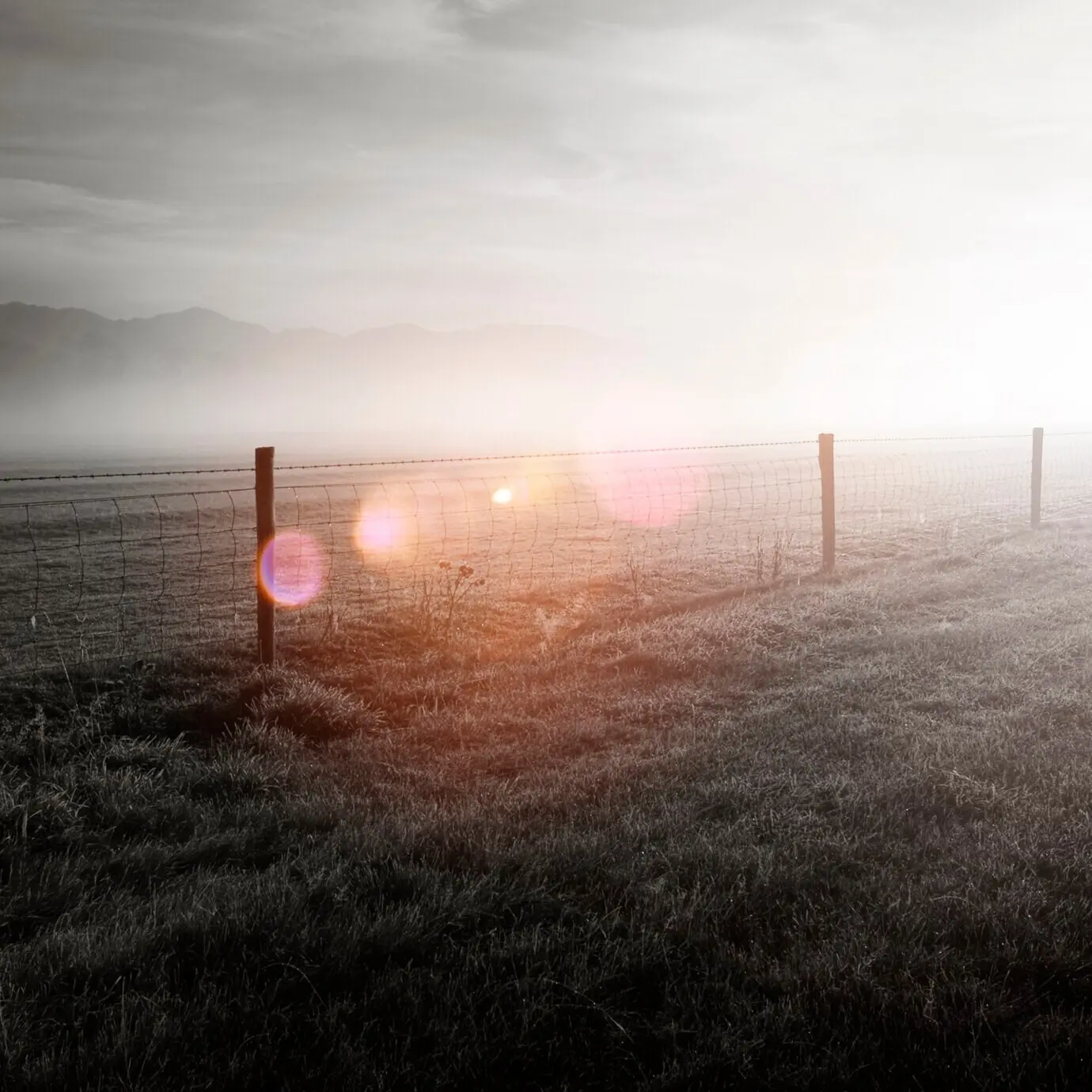
Adopt robust color management so vivid interfaces never oversaturate on consumer displays. Shape whites with subtle tint control, preventing hospital sterility from draining humanity. Protect skin via hue vs hue curves while allowing emissive tech to own its frequency. Introduce narrow-band accents—violet ion trails, cyan diagnostics, magenta anomalies—through keys tied to specific props, preserving internal logic. Gently sharpen edges to sell engineered precision, then relax texture when chaos or biology intrudes. Export test reels to multiple devices to validate translation across ecosystems.